

Testing Recommendations
We understand that it can be difficult to know what to test for in your well water. That is why we’re committed to helping you test for what is absolutely necessary at an affordable rate so that you can be confident your well water is healthy to consume.
Common
Toxic Contaminants
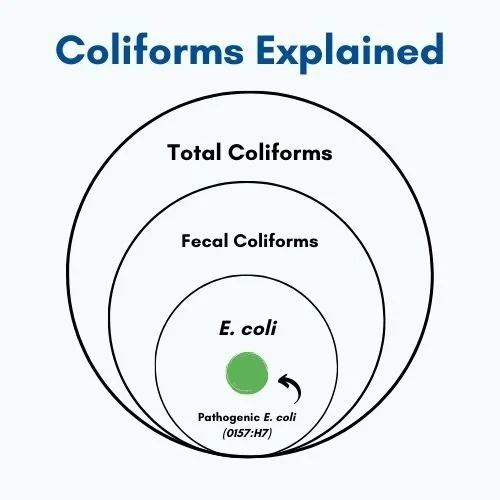
Total Coliform Bacteria
There is always a chance that bacteria could be present in your well water. We recommend well owners frequently test for bacteria to insure that there is no presence in your water.
Coliforms (Not just E.Coli) can be dangerous to consume, so it is important to know if your water is affected.
At ALI we offer a Total Coliform (TC) test which will let us know whether there is a presence of bacteria. If a presence of Total Coliforms is found, we will run an E.Coli test for no extra charge.
#1 Recommended Test!
Nitrate
Although Nitrate primarily presents itself in water that is nearby agricultural land, there is still a possibility that your water could be affected by it from other sources.
Nitrate levels will not change as drastically as Bacteria, so we recommend that you test for Nitrate infrequently to monitor the levels.

Arsenic & Uranium
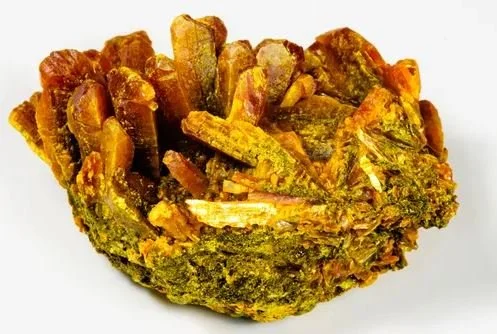
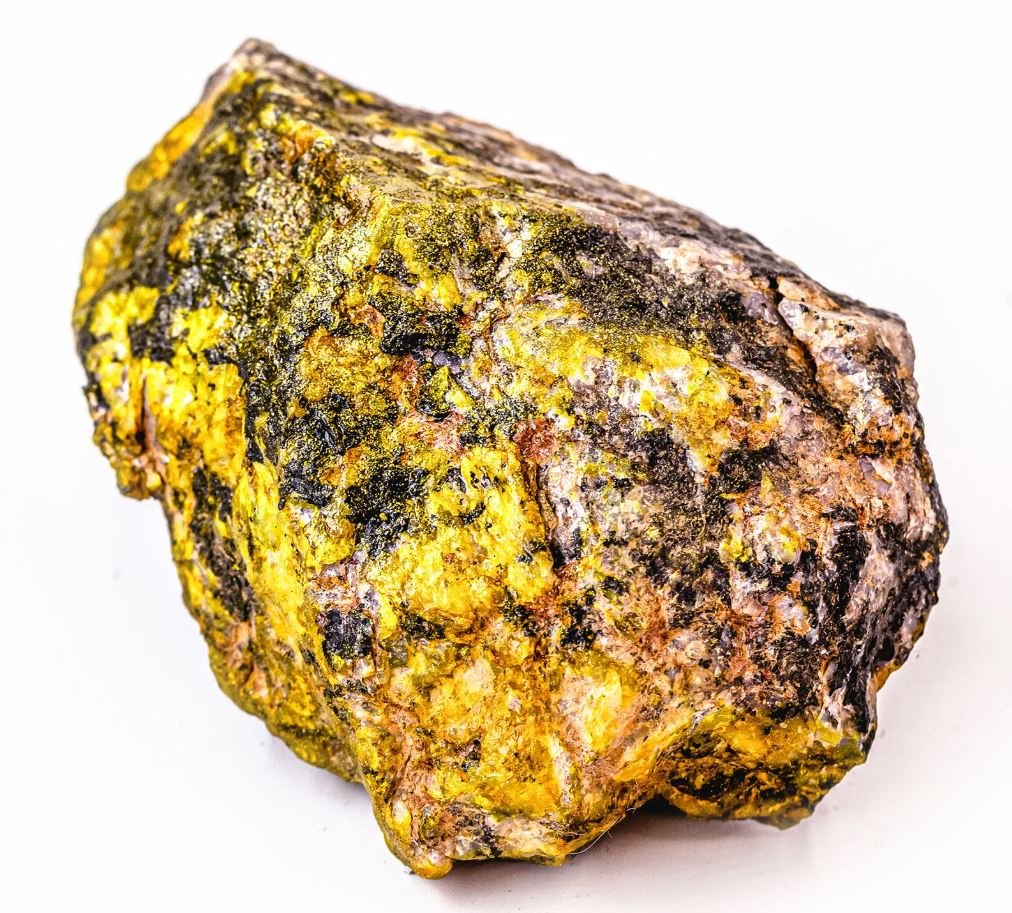
Arsenic and Uranium deposits are commonly found in the treasure valley and could be located right underneath your home.
These metals are highly toxic, so it is important to test for them initially to determine whether need to filter them out of your water.
So long as the level of arsenic and uranium is not approaching toxic levels, these contaminants will not need to be tested often.
Other Toxic Contaminants
Lead & Copper
Lead contamination occurs in homes with older piping infrastructure. Lead piping is no longer standardly used as it can release lead into the water flow. Lead is extremely dangerous to consume, so if your home was built before 1986 then there is a chance that lead piping is present.
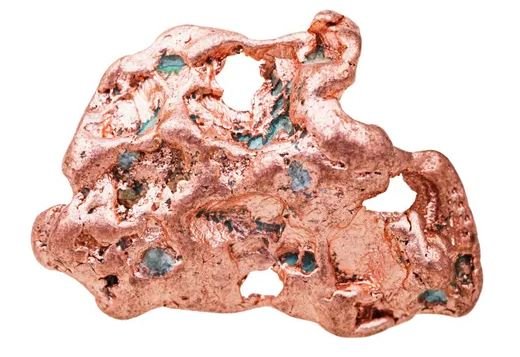
Copper contamination is unlikely but can occur due to copper still being a common choice in piping infrastructure. Copper is far less dangerous than lead but if your home is primarily piped using copper then you may want to consider testing for copper levels.
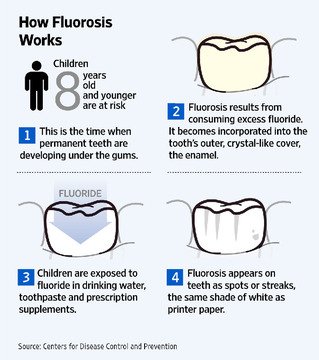
Fluoride is typically added to drinking water to prevent cavities, but the amount added is not toxic to consume.
Excess fluoride can be present in groundwater near areas with volcanic activity. Geothermal water is water heated by the internal heat of the Earth and can contain high amounts of fluoride. If this is a concern for your home, then we recommend checking the levels of fluoride in your well water.
If your house runs on water from your city, then it is very unlikely that your water is affected by excess fluoride.
Fluoride
Nuisances
(Non-Toxic Contaminants)
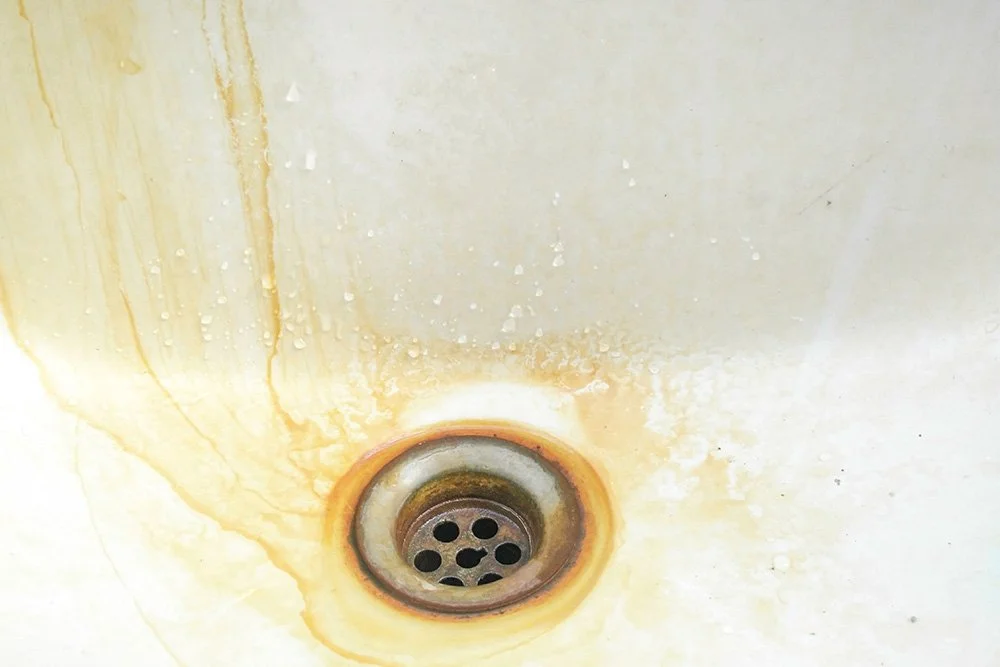
These metals can cause a yellow/orange color to appear in your well water. It is safe to consume these metals but the discoloration can stain your sinks, tubs, or clothing.
If you notice that your water has an off-color, then we recommend testing for these metals.
Iron & Manganese
Hydrogen Sulfide
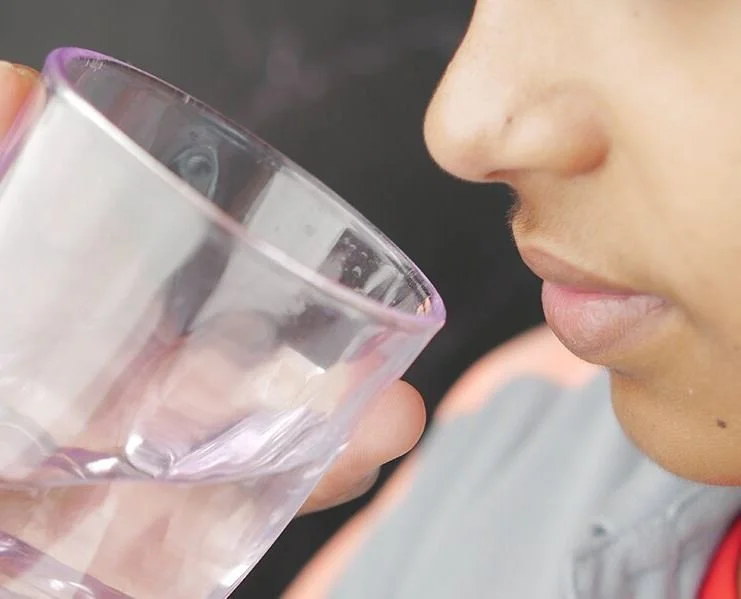
Hydrogen Sulfide is a colorless gas that emits a foul odor similar to rotten eggs or garbage. It is usually harmless to consume because of the fact that the odor is very strong even before it reaches dangerous levels.
Biological Causes of Odors:
If hydrogen sulfide is detected in your water, the cause may be Sulfate-Reducing Bacteria. On top of the odor, it can cause corrosion in your water system, so it is important to deal with them early on.
If you are experiencing both a bad smell, and discoloration in your water, then the cause may also be Iron Bacteria. This organism feeds off iron and oxygen and creates a reddish-brown rust that may clog pipes.
Calcium & Magnesium
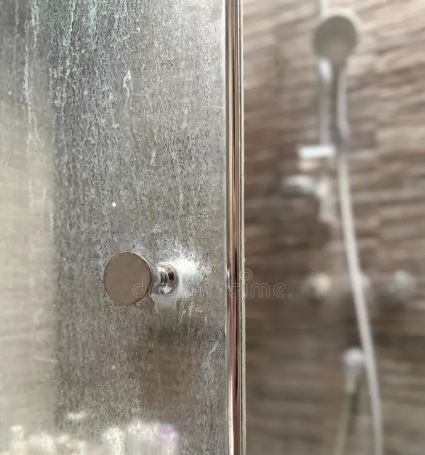
Hard water can cause many issues in your home. Calcium and Magnesium are not toxic to consume, but can cause a build up of limescale in plumbing, on surfaces, on your clothing, or on your skin and hair.
Hardness level is a calculation based on the amount of Calcium and Magnesium in your water. At ALI we offer a Hardness test as well as testing for Calcium or Magnesium separately.
(Water Hardness)
Individual Test Pricing:
Bacteria (TC/E.Coli) = $21
Nitrate = $22
Arsenic = $24
Uranium = $40
Iron Bacteria = $35
Manganese = $17
Hydrogen Sulfide = $25
Magnesium = $17
Calcium = $17
Sulfate-Reducing Bacteria = $36
Lead = $24
Copper = $17
Fluoride = $23
Iron = $17
Hardness = $22